Jump to a section
Introduction
TL;DR
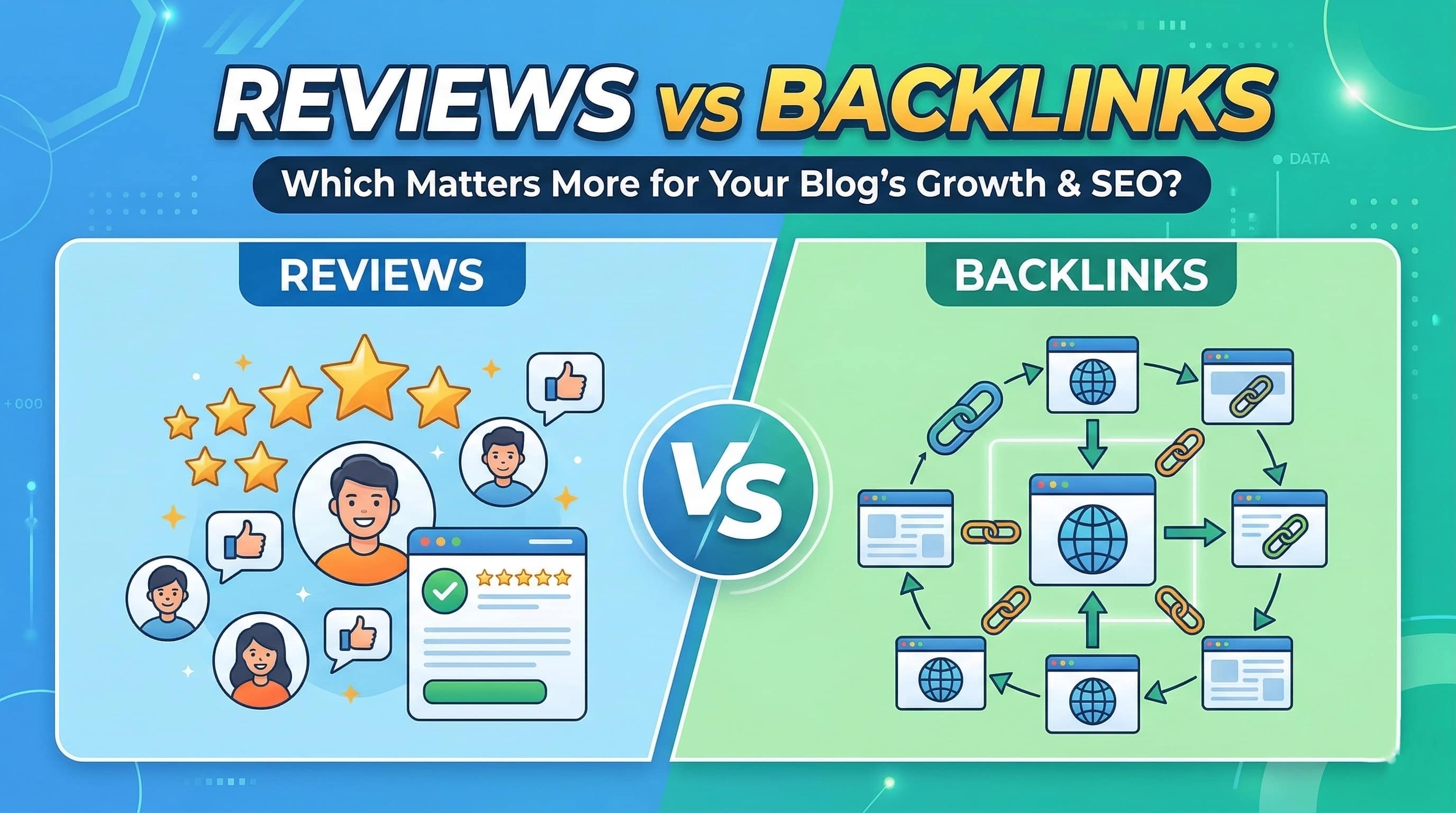
Backlinks built authority, but reviews build trust. As search evolves from ranking pages to recommending businesses, reviews have become the proof that backlinks alone cannot provide. The smartest SEO strategy now combines both, but businesses that undervalue reviews are missing the opportunity that modern search rewards most.
For most of SEO's history, this debate would have sounded ridiculous.
Backlinks were the thing. If authoritative websites linked to your pages, your rankings improved. That was the logic behind the system, and for a long time it worked because search engines were built to reward citation. The more the web appeared to reference you, the more credible you seemed.
That logic still matters. But it no longer explains search the way it used to.
Search has changed from a system that primarily measured pages to one that increasingly evaluates businesses, products, and brands as real-world entities. In that environment, the question is no longer just "Who links to you?" It is also "Who trusts you?" And once that second question enters the picture, reviews start to matter in a very different way.
This is not a claim that backlinks are dead. They are not. It is a claim that the hierarchy has shifted. In many categories, especially local and service-based businesses, reviews now carry the kind of commercial weight that backlinks once held almost alone.
If you are building a broader reputation strategy, start with this online reputation management guide so your review efforts align with your overall visibility goals.
Why Backlinks Dominated for So Long
Backlinks became central because they solved a hard problem. Search engines needed a way to distinguish between a page that merely existed and a page that deserved attention. A link from one site to another functioned like a vote. Not a perfect vote, but a useful one.
That model shaped the entire industry. SEO campaigns were built around acquiring links, increasing authority, and strengthening domain-level trust. An effective backlink profile could elevate even average content above better-written pages that had less authority behind them.
The problem is that backlinks were always an indirect signal.
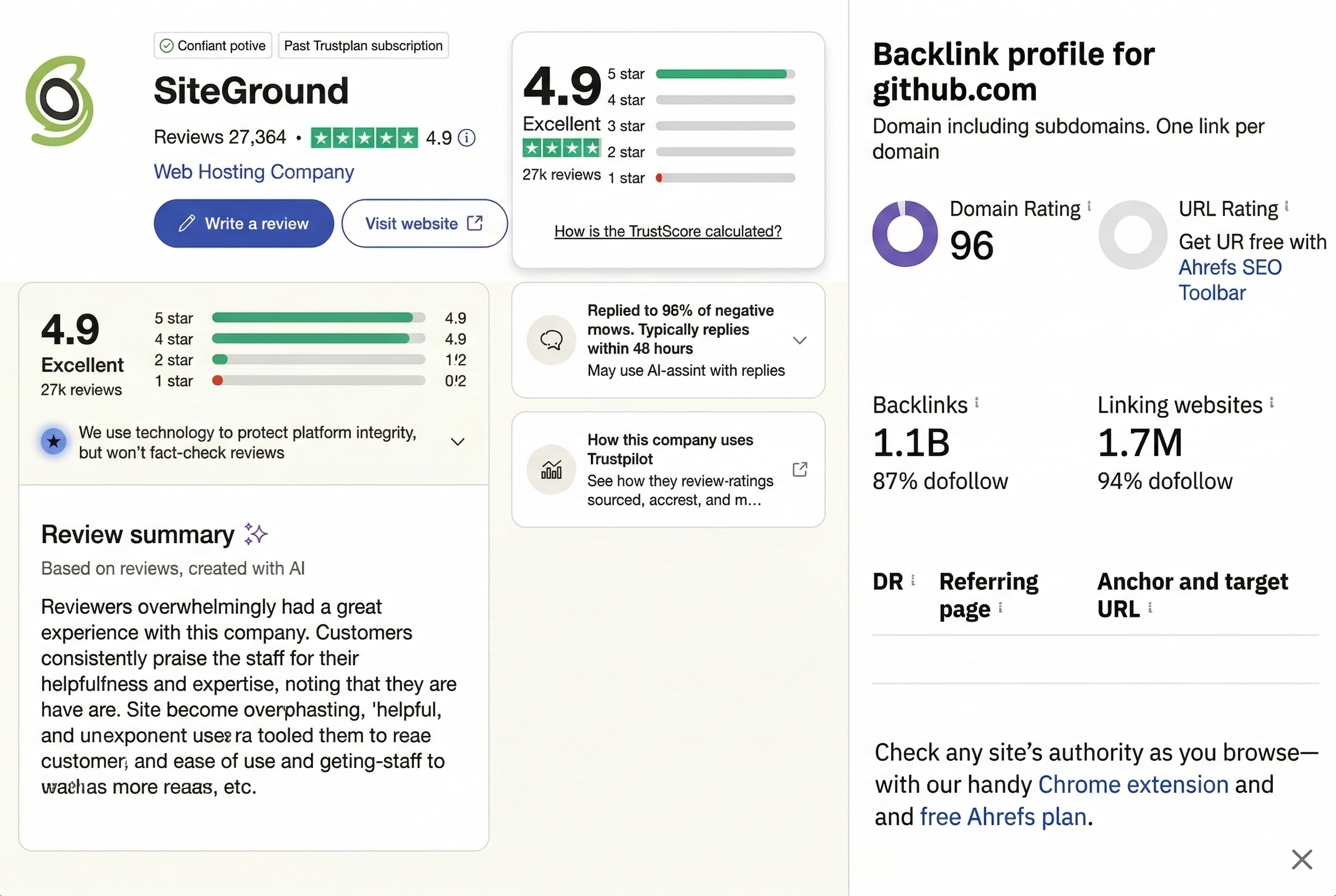
A backlink can suggest relevance. It can suggest visibility. It can even suggest authority in a broad sense. But it does not necessarily say much about the actual experience a customer has with a business. It does not tell you whether the service was fast, whether support was helpful, whether onboarding was smooth, or whether the company delivered what it promised.
That gap matters more now than it did before.
Why Reviews Matter More Than They Used To
Reviews do something backlinks cannot do. They describe lived experience.
They are not structural signals. They are interpretive ones. They tell search engines and recommendation systems what happened after the click, after the purchase, after the interaction. They capture reputation in language.
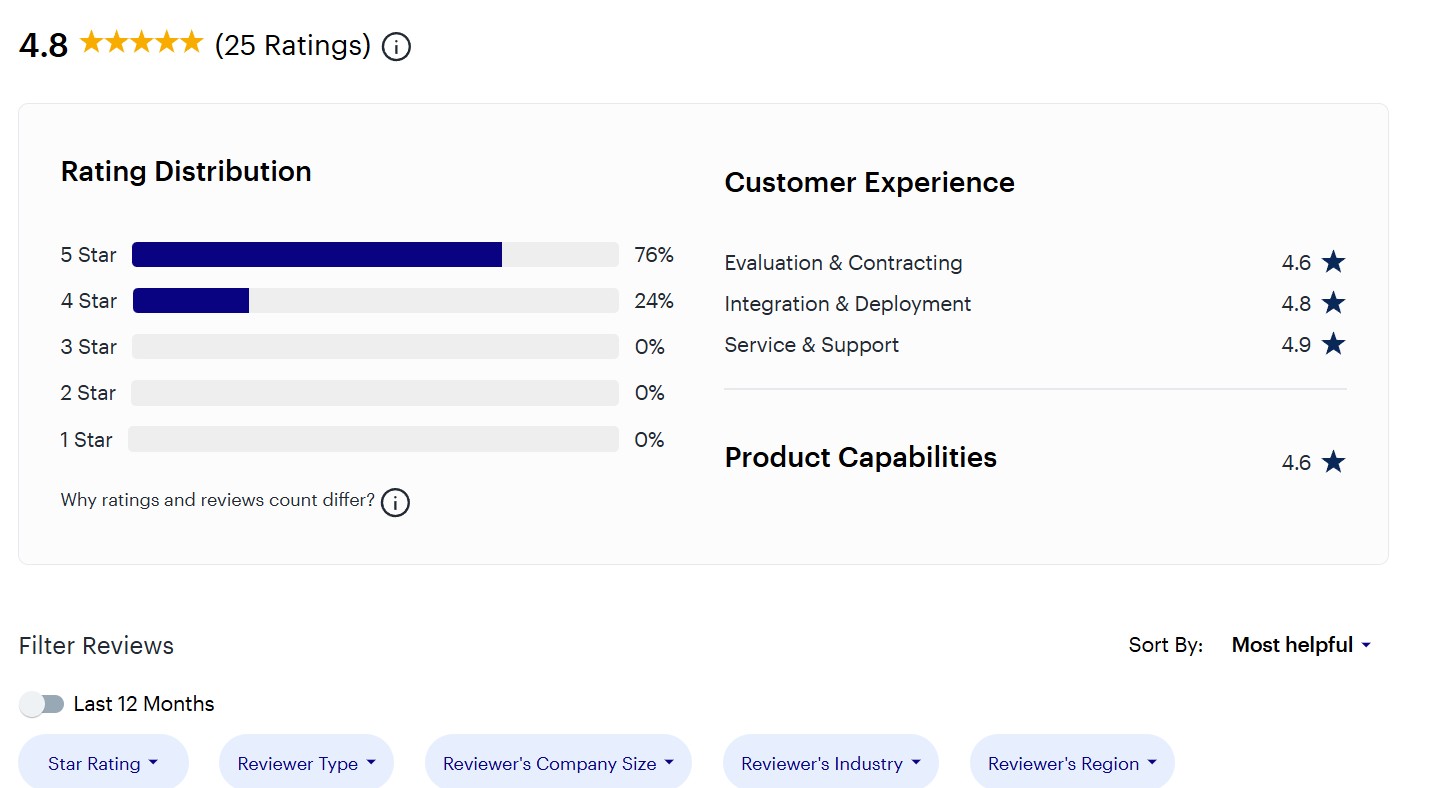
A customer review does not just confirm that a business exists. It confirms that someone chose it, used it, evaluated it, and felt strongly enough to leave public feedback. That is a richer signal than a hyperlink.
It is also a more current one.
A backlink may sit unchanged for years. A review written last week tells a far more immediate story. It says this business is active, still serving customers, and still creating impressions strong enough to generate public commentary. In a search environment that increasingly values freshness and confidence, that matters.
For more on building a review strategy that works, check out our guide on getting more Google reviews.
The Difference Between Authority and Proof
The cleanest way to think about reviews versus backlinks is this:
Backlinks build authority. Reviews provide proof.
Authority is about whether your website appears important enough to reference. Proof is about whether your business appears trustworthy enough to choose.
Those are different things, and search engines are getting better at separating them.
A law firm with a strong backlink profile may look authoritative on paper. But if another firm has a steady stream of detailed, positive reviews describing responsiveness, clarity, and results, that second firm may look more compelling to a system trying to recommend a real business to a real person.
That is especially true when the query has practical intent. People are not always searching for information. Often they are searching for confidence. They want the best dentist near them, the most reliable agency, the easiest software to adopt, the contractor who actually returns calls. Reviews speak directly to those questions in a way backlinks never can.
When comparing review platforms, our Trustpilot vs G2 reviews comparison helps you choose the right platforms for your industry.
Search Is Becoming More Recommendation-Oriented
This is where the shift becomes clearer.
Traditional search ranked pages. Modern search increasingly recommends outcomes.
As search products become more conversational and AI-driven, they do not just retrieve a list of blue links and let the user decide. They synthesize. They summarize. They recommend. That changes what kinds of signals matter most.
A recommendation engine needs more than citation. It needs evidence.
It needs to know not only whether a business is prominent online, but whether people seem to like it, trust it, and describe it positively in specific contexts. Reviews are full of that kind of evidence. They contain sentiment, detail, recency, and corroboration. They reveal how people experience a brand in the real world.
That makes them unusually valuable in a search environment built around confidence and usefulness rather than simple retrieval.
Understanding how trust signals work is critical. Our analysis of why 4.6 stars can outperform a perfect 5.0 rating explains how realistic review profiles build more trust.
Reviews Carry Context That Backlinks Lack
A link rarely explains much.
A review often explains everything that matters.
When customers write about a business, they naturally include the very details that future buyers care about. They mention speed, reliability, friendliness, communication, price, ease of use, and outcomes. They explain what made the experience good or bad. They describe situations that resemble the questions other people are asking in search.
This matters because the web is no longer just being indexed. It is being interpreted.
Language models and modern ranking systems are exceptionally good at extracting meaning from human language. A review that says, "The team got us fully set up in two days and answered every question without making the process feel overwhelming," carries layers of value. It suggests speed, support quality, onboarding ease, and emotional reassurance. A backlink cannot do that.
That does not make reviews magical. It makes them better aligned with the kinds of signals modern systems can actually understand.
The Real Weakness of a Backlink-Only Strategy
The problem with relying too heavily on backlinks is not just that link building is difficult. It is that a backlink-heavy strategy can create the appearance of strength without the substance of trust.
You can build authority and still have a weak reputation footprint.
That used to be less of an issue because search systems were less capable of evaluating reputation directly. Today, that limitation is fading. Businesses with thin review profiles increasingly look incomplete. They may have a polished website, strong content, and decent authority, but little public evidence that customers actually value them.
That absence is telling.
If a company claims to be excellent but has almost no meaningful review presence, that creates doubt. If another company has a comparable website and weaker backlink profile but a large volume of thoughtful, recent reviews across credible platforms, that creates confidence.
In markets where trust drives conversion, confidence wins.
If you are dealing with suspicious review patterns, our fake review detection guide helps you identify and address inauthentic feedback.
This Does Not Mean Backlinks Do Not Matter
It is worth being precise here.
Backlinks still matter because they help search engines discover your pages, understand topical relevance, and estimate the authority of your site relative to others. They are still part of the foundation. In competitive organic search, especially for informational content, they remain important.
But they are no longer sufficient on their own.
The old SEO mindset treated backlinks as the primary asset and everything else as secondary. The more accurate view now is that backlinks are part of your credibility infrastructure, while reviews are part of your reputation infrastructure. You need both, but one is becoming much more visible in how businesses are surfaced and chosen.
Teams that take link building seriously usually need a cleaner way to monitor gaps and prioritize opportunities, which is why lightweight platforms like KatLinks SEO tool can fit neatly into a broader authority-building workflow.
Teams testing how authority gains translate into engagement can also use controlled premium website traffic to validate title, SERP, and on-page behavior alongside backlink work.
If backlinks get you into the conversation, reviews often determine whether you win it.
Why Reviews Matter Even More for Local and High-Intent Search
This shift becomes especially obvious in local search and high-intent categories.
When someone is searching for a nearby service provider, a clinic, a law firm, a contractor, or software they may actually buy, they are not simply gathering information. They are narrowing toward a decision. At that stage, reputation signals become disproportionately important.
Our local SEO and Google reviews guide for 2026 covers the latest strategies for dominating local search visibility.
Reviews influence both visibility and persuasion.
They shape how platforms rank businesses, but they also shape whether users trust what they see. A business with strong review volume and strong review quality does not just look better to algorithms. It looks safer to buyers.
That is why reviews have a compounding effect. They improve discoverability, strengthen credibility, and increase conversion at the same time. Backlinks usually do not operate across all three layers.
The Smarter Question Is Not "Reviews or Backlinks?"
The smartest businesses should not frame this as a binary choice. The real question is where the imbalance is.
Most companies already understand backlinks. Many still undervalue reviews. That is where the opportunity is.
If your business has spent years investing in technical SEO, content, and link building, but has only a thin review footprint, then your visibility strategy may be lagging behind the way modern search actually evaluates trust.
That is fixable. But it requires a shift in mindset.
Reviews cannot be treated as an afterthought managed occasionally by customer support. They need to be seen as a growth asset. Not because they look nice on a profile page, but because they create the public evidence layer that search engines, recommendation systems, and buyers increasingly rely on.
For tactics on responding to feedback, see our negative review response library with proven strategies.
What Winning Looks Like Now
The businesses that stand out today tend to have both a credible website and a credible reputation trail.
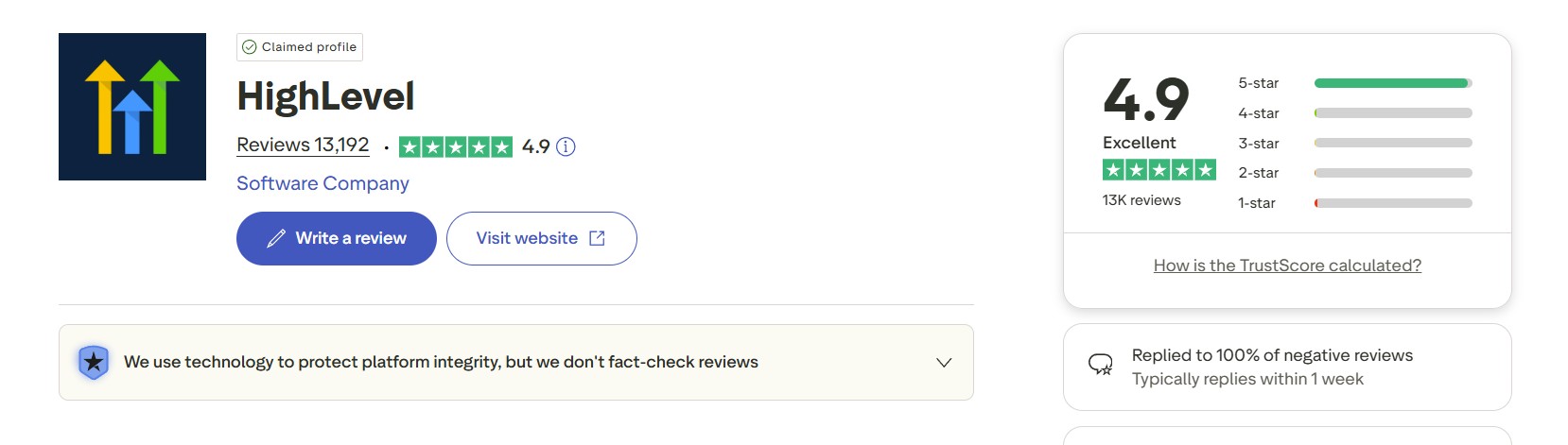
They have content that explains what they do. They have enough authority for search engines to take them seriously. But they also have fresh, detailed, consistent reviews across the platforms that matter in their category. They respond to feedback. They show signs of life. They create a pattern of public trust that is hard to ignore.
Building that trust takes effort. Our guide on leveraging customer testimonials shows how to turn satisfied customers into powerful social proof.
That pattern is what modern search is rewarding more and more.
It is no longer enough to look authoritative from a distance. You have to look trustworthy up close.
Final Thought
Backlinks were built for the web of documents.
Reviews are built for the web of decisions.
That is why this shift matters. Search is no longer only about finding the most cited page. It is increasingly about surfacing the business that seems most credible, most relevant, and most likely to satisfy the user.
Backlinks still help establish authority. Reviews do something more valuable: they help establish belief.
And belief is what drives both rankings and choices.