
Jump to a section
Introduction
TL;DR
- The power of customer testimonials comes from reducing buyer risk with clear, specific proof.
- High-performing testimonials combine identity, business context, and measurable outcomes.
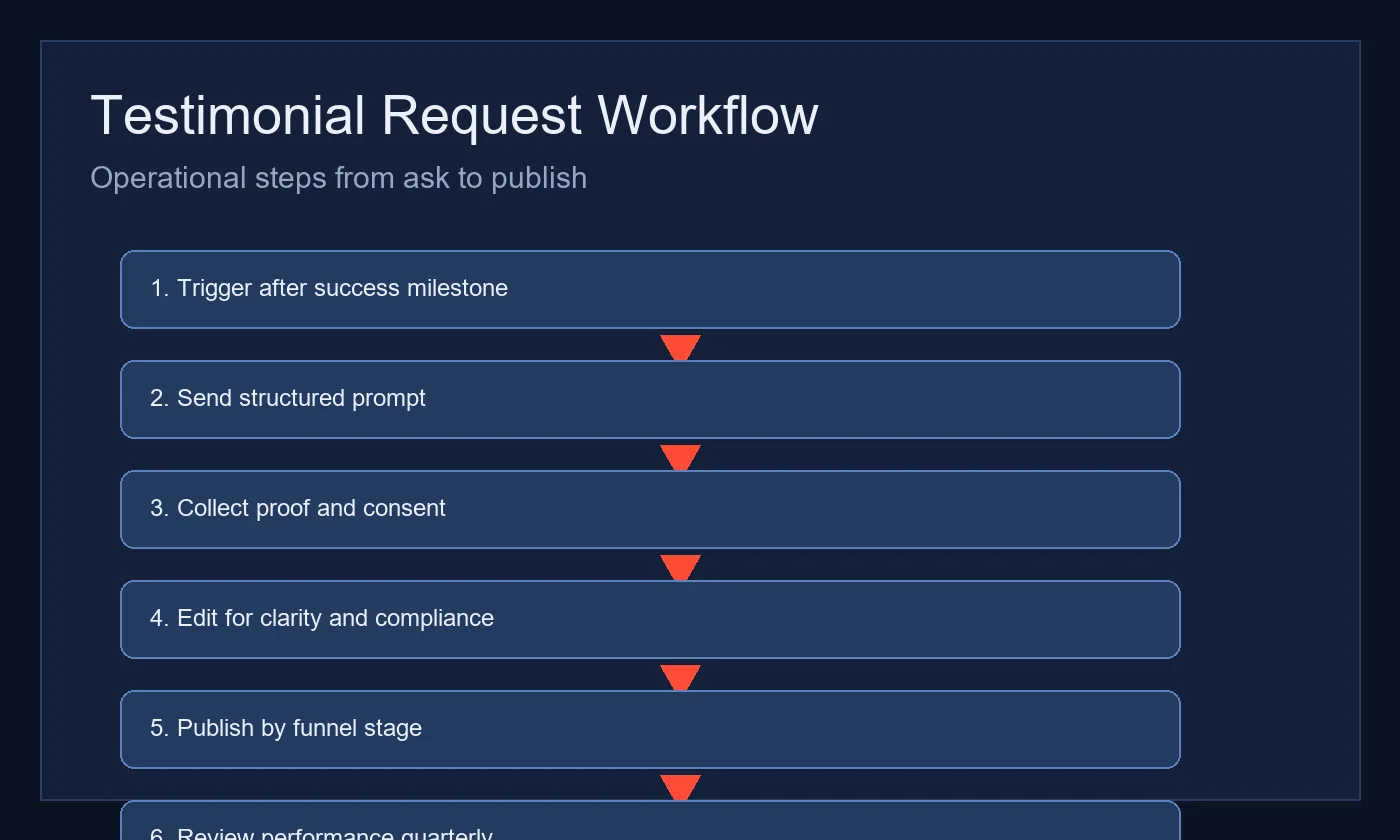
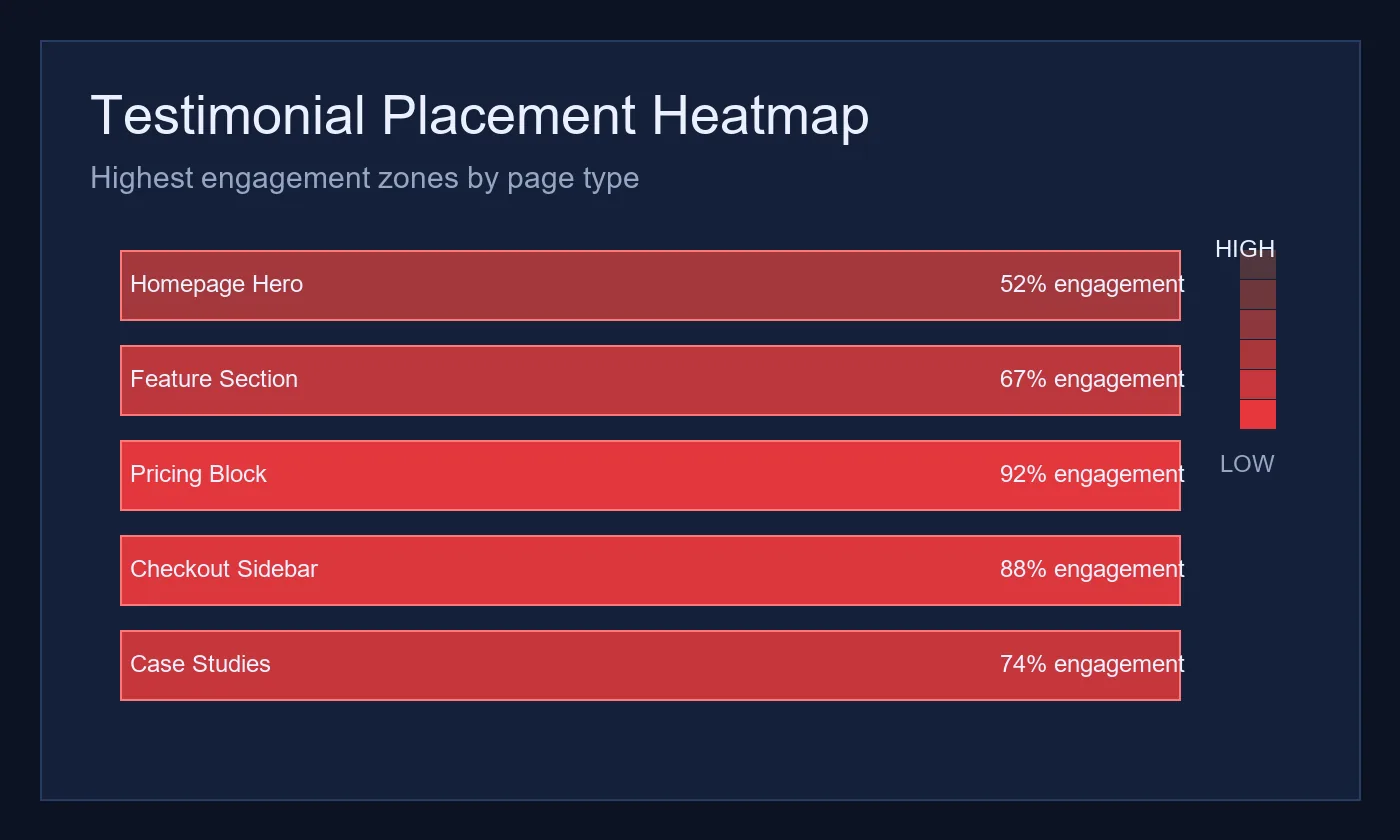
- Placement matters as much as writing quality, with the biggest impact near pricing and form decisions.
- A structured workflow for requests, consent, and publishing keeps testimonial content fresh and compliant.
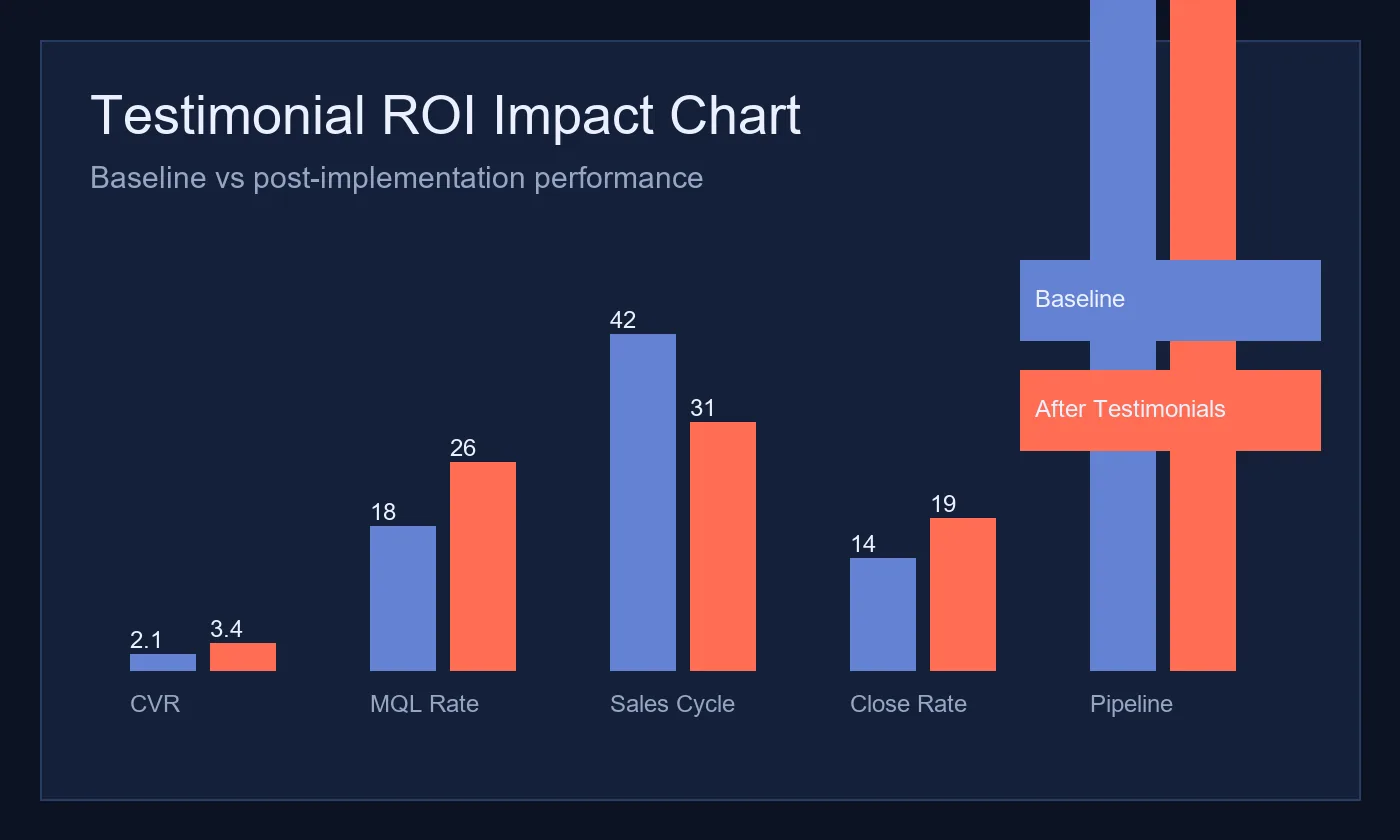
- Revenue impact is measurable through conversion lift, pipeline influence, and reduced sales cycle time.
The power of customer testimonials is not a branding myth. It is a practical conversion lever that helps prospects believe your claims because real customers validate them with outcomes. When someone is comparing vendors, the deciding question is often not "Who has better copy?" but "Who has believable proof?" Testimonials answer that question when they are specific, credible, and positioned where purchase friction is highest. This guide breaks down how to turn testimonial content into a repeatable growth system that supports SEO, sales enablement, and customer trust.
If you are building a broader reputation strategy, start with this online reputation management guide so your testimonial program fits your reviews, response workflows, and brand messaging.
Why Customer Testimonials Drive Revenue
Trust Transfer and Risk Reduction
Most prospects do not distrust your company. They distrust uncertainty. They worry about implementation risk, ROI risk, and vendor risk. Strong testimonials transfer trust from an existing customer to a future buyer by proving that someone with similar goals made a decision and got value. This is especially powerful in high-ticket services where buyers need internal approval before signing. A quote that says "We grew demo conversion by 28% in two months" lowers perceived risk far better than a generic phrase like "Great service."
Trust transfer gets even stronger when testimonials reflect the same context as the buyer reading them. Match industry, company size, or use case whenever possible. If you serve multiple channels, compare social-proof performance by platform. This is one reason our Trustpilot vs G2 reviews comparison is useful when deciding where to collect and showcase proof first.
Conversion Metrics Influenced by Testimonials
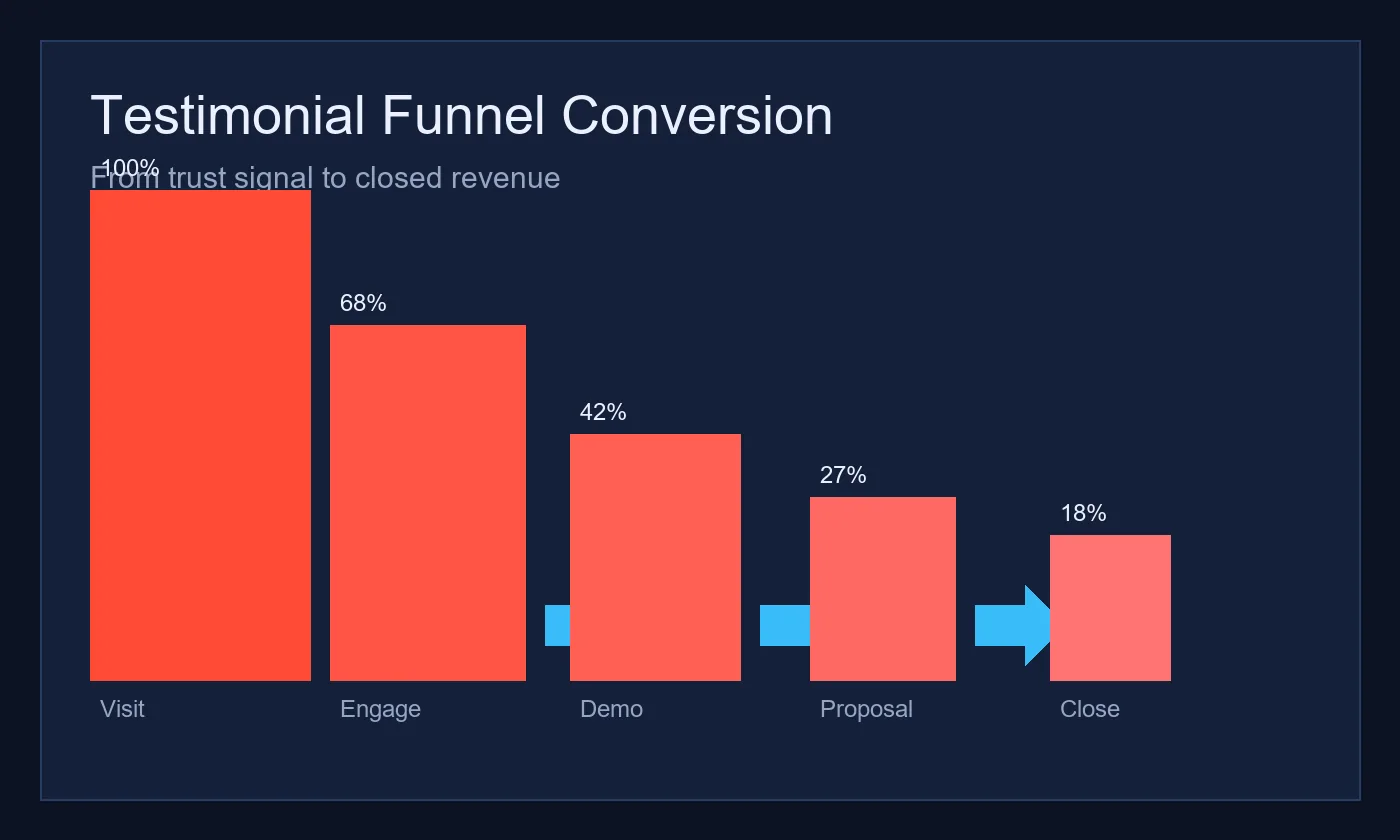
Testimonials affect multiple stages of your pipeline, not just bottom-of-funnel sales calls. On landing pages, they increase dwell time and improve micro-conversions such as clicking pricing, opening FAQs, and starting forms. In mid-funnel assets, they improve meeting acceptance and response rates because prospects see social proof that your offer is credible. At decision stage, they reduce no-decision outcomes by giving champions in the buyer organization evidence they can forward internally.
Track these shifts in a structured way. Benchmark conversion rates before and after adding testimonial modules on the same page and traffic source. Then review assisted-conversion paths in analytics to see whether sessions that engaged with testimonials are more likely to convert over a 7-day and 30-day window.
Types of Testimonials That Convert
Short Quote Testimonials
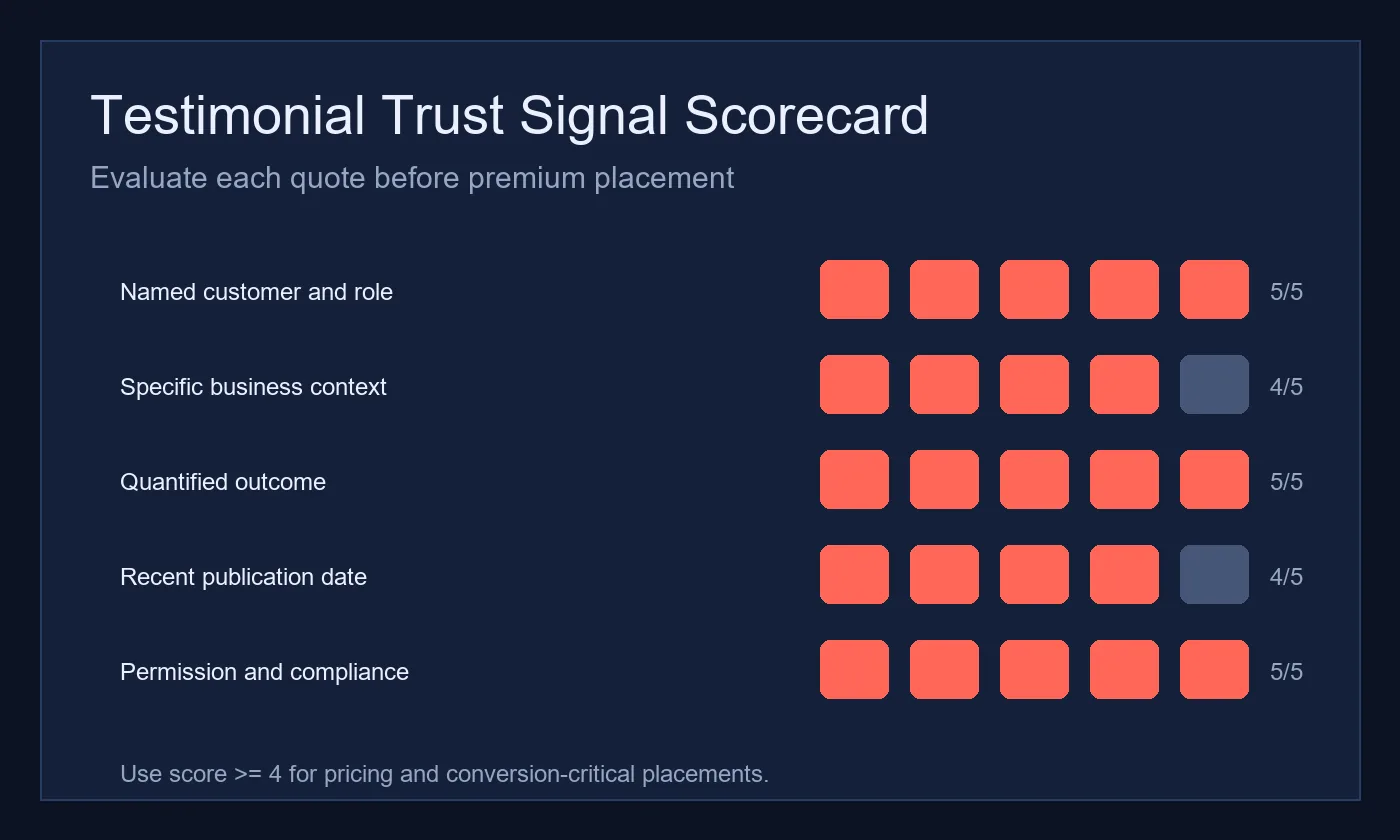
Short quote testimonials work best near dense decision UI such as pricing tables, package comparisons, and feature blocks. Keep them between one and three sentences and include a concrete result. A high-performing short quote usually includes role, company type, and one measurable change. For example: "After implementing this workflow, our support team reduced first-response time by 34% in six weeks."
Use quote clusters to answer common objections directly: speed, quality, cost, compliance, or support reliability. This mirrors how you might answer concern-driven feedback in public channels. For tactical language ideas, review this guide on how to respond to negative reviews, then adapt tone and structure for positive proof content.
Video and Case-Study Testimonials
Video testimonials and short case studies are better for high-consideration buyers who need deeper validation. Use video when buyer confidence depends on authenticity and tone. Use case-study format when buyers require process transparency and metrics. The most effective format usually combines both: a short clip for emotional trust and a concise written summary for scanning.
When comparing channels, remember that rating psychology influences interpretation. Prospects often trust realistic distributions over perfect scores. This principle is explained in our analysis of why a 4.6 rating can outperform a perfect 5.0 profile. Apply the same realism to testimonials by showcasing specific wins and improvement journeys, not only flawless stories.
How to Collect High-Quality Testimonials
Request Timing and Prompt Templates
Request timing is the highest-leverage variable in testimonial collection. Ask too early and responses are vague. Ask too late and momentum disappears. The best request window is immediately after a visible success milestone: launch completion, campaign win, performance report, renewal, or resolved escalation. Tie your outreach cadence to those milestones rather than calendar dates.
Use guided prompts to increase testimonial quality. Ask for before-state, action taken, measurable outcome, and advice to peers. This structure produces proof-rich language without sounding scripted. For teams that need templates and trackers, collect them in shared ops docs and maintain them alongside your conversion playbooks in your resources and planning tools hub.
Consent, Compliance, and Brand Safety
Never publish testimonial content without explicit permission for the exact usage scope. Capture consent for text, logo, role attribution, and video repurposing separately. If your market has strict legal constraints, route approved quotes through compliance review before publishing. Keep timestamped records of approvals so content teams can refresh or retire assets safely.
Also define redaction rules. Remove sensitive financial figures when needed, but preserve business context so the testimonial remains credible. "Revenue increased by 22%" is often enough without exposing private totals. Strong compliance practices protect both customer trust and brand reputation over time.
Where to Place Testimonials for Maximum Impact
Landing Pages and Pricing Pages
Place testimonial proof near moments of hesitation, not randomly across the page. On landing pages, position a relevant quote immediately after your primary value proposition and again near the first CTA. On pricing pages, place testimonials next to plan comparison blocks where prospects evaluate risk and cost tradeoffs. Include one line that maps directly to the plan they are considering.
If your buyers are price-sensitive or score-sensitive, connect testimonials with supporting tools. For example, pair testimonial modules with estimation widgets such as this Google review score calculator guide to turn social proof into practical planning.
Email, Ads, and Sales Collateral
Testimonials are most effective in outbound when tailored by segment. In email, use one short quote that mirrors the recipient's role and challenge. In paid campaigns, pair proof with one clear outcome metric to improve click quality. In sales collateral, include a mini case panel with context, approach, and result so decision committees can evaluate credibility quickly.
Build a shared testimonial library tagged by use case, persona, and funnel stage. This prevents teams from reusing the same quote everywhere and supports faster campaign assembly. It also helps you retire underperforming assets and promote stronger proof over time.
How to Measure Testimonial ROI
Attribution Metrics and Dashboard Setup
Testimonial ROI should be measured like any performance channel. Start with a baseline dashboard that tracks page conversion rate, demo-book rate, close rate, and average sales cycle length. Then isolate pages or campaigns where testimonial modules are introduced. Use consistent traffic cohorts so your comparisons are meaningful.
For attribution, track both first-touch and assisted influence. Testimonials often support multi-session decisions, so relying only on last-click reporting underestimates impact. Add event tracking for testimonial interactions such as carousel clicks, video play starts, or expandable quote opens.
A/B Testing Testimonial Blocks
Run controlled tests on headline framing, quote specificity, placement location, and visual format. A practical sequence is: test placement first, then message angle, then asset format. This keeps analysis clean and prevents overlapping variables. After each test cycle, document what changed and how it affected both conversion rate and lead quality.
If one variant increases form submissions but decreases close rate, the testimonial may be attracting lower-fit leads. Optimize for revenue quality, not only top-of-funnel volume. This is where combining testimonial analytics with CRM outcomes gives a complete picture.
Common Testimonial Mistakes and Fixes
- Mistake: Generic praise with no result. Fix by requiring a measurable before-and-after statement in every testimonial request.
- Mistake: Publishing once and forgetting. Fix by scheduling quarterly refresh cycles and archiving stale proof.
- Mistake: No audience matching. Fix by tagging testimonials by persona, vertical, and funnel stage, then serving context-relevant proof.
- Mistake: Weak visual treatment. Fix by pairing quotes with charts, logos, or case snippets so proof is easier to scan.
- Mistake: Ignoring negative narratives. Fix by pairing positive testimonials with transparent improvement stories and response practices.
When teams solve these mistakes, testimonial programs move from static content to an ongoing revenue asset. The process becomes easier to scale and much easier to defend in quarterly performance reviews.
Conclusion
The power of customer testimonials is strongest when proof is specific, placement is intentional, and measurement is disciplined. Build a repeatable collection workflow, publish context-matched proof across your funnel, and track business outcomes instead of vanity metrics. When done well, testimonials shorten decision cycles, improve conversion quality, and increase predictable revenue without relying on hype.
If you want a practical blueprint tailored to your funnel, campaign mix, and sales process, start with our contact page for testimonial strategy support.