
Jump to a section
Introduction
TL;DR
G2 is the most influential review platform for B2B software in 2025. This guide covers proven ethical strategies — from automated outreach campaigns and G2 Review Booster to professional management services — that build authentic credibility and drive real pipeline growth without violating G2's terms of service.
G2 reviews are no longer a "nice to have" for B2B software companies — they are a core sales infrastructure. Buyers in 2025 run an average of 4.3 review checks before scheduling a demo, and G2's category grid positioning directly influences which vendors even appear on shortlists. While many teams still search for shortcuts like fake reviews, the businesses compounding the most pipeline growth are those who treat G2 as a systematic review operations channel, not a one-time campaign. In this guide, we'll cover what's actually working in 2025 for G2 review generation — and how professional management makes it scalable. For a deeper dive, see our complete guide to G2 review management.
Understanding G2's Impact on B2B Sales
G2 has fundamentally changed how software is bought. With over 90 million annual visitors and more than 2.5 million verified reviews, G2 now functions as a first-touch research layer that sits above vendor websites. In 2025, G2 updated its scoring algorithm to weight review recency more heavily — reviews older than 12 months now contribute significantly less to your overall score and category grid placement. This means a review program needs to be continuous, not a single push.
The stakes extend beyond visibility. G2 data consistently shows that products with 50+ reviews see a 4x increase in buyer consideration versus those with fewer than 10. Products in the top quadrant of their category grid close deals 35% faster on average, because by the time a buyer reaches your sales team, they've already pre-qualified you through social proof. A dormant G2 profile in 2025 is a silent revenue leak.

Ethical Strategies for G2 Review Generation
The most reliable approach to G2 reviews is building a repeatable system around high-satisfaction moments in your customer journey. Here are the strategies generating the best results in 2025:
- Post-onboarding milestone requests: Trigger a review request 30–45 days after a customer completes onboarding when they've experienced their first tangible value. This outperforms requests sent at contract renewal by 3x.
- G2 Review Booster campaigns: G2's native tool lets you send verified review requests directly through the G2 platform, which pre-populates the review form and reduces friction. Campaigns run through Review Booster convert at 18–25% compared to 4–8% for cold email asks.
- Customer success check-in integration: Train your CS team to mention G2 reviews during quarterly business reviews with healthy accounts. A verbal ask from a trusted CSM consistently outperforms any automated email.
- LinkedIn InMail outreach to power users: Power users who actively engage with your product — measured by feature adoption depth, not just login frequency — are your highest-converting review candidates. A personalized LinkedIn message citing their specific use case converts at nearly double the rate of generic email campaigns.
- G2's reference program: Enroll top customers in G2's reference program, which incentivizes them with points redeemable for gift cards in exchange for detailed reviews and peer calls. This is fully compliant and generates your most detailed, highest-quality reviews.
Outreach Timing and Templates

Timing is the most underestimated variable in review generation. Send requests too early and customers haven't experienced enough value to write a meaningful review. Too late and the emotional peak has passed. The three highest-converting moments to request a G2 review are:
- After a support win: When your team resolves a complex issue and the customer explicitly thanks you, follow up within 24 hours with a review request. Satisfaction is at its highest and the interaction gives them concrete material to write about.
- After a product milestone: When a customer hits a usage milestone (first 100 reports generated, first integration activated, etc.), an automated trigger tied to your product analytics can fire a personalized review request that feels timely and relevant.
- Post-renewal: Customers who renew are expressing confidence in your product. A review request sent within one week of renewal captures that sentiment while it's active.
For email templates, keep the ask focused on one specific outcome the customer has achieved with your product. Generic "would you leave us a review?" emails convert at under 3%. A specific ask — "You mentioned in our last call that you reduced reporting time by 60% — would you be willing to share that experience on G2?" — converts at 15–20%.
Professional G2 Review Management
For most SaaS companies, running a consistent G2 review program in-house competes with dozens of other priorities. Professional review management services handle the operational execution — identifying the right customers, personalizing outreach, managing cadences, and reporting on conversion rates — so your team focuses on product and revenue.
The key difference between a reputable service and a risky one is simple: reputable services work with your actual customers through compliant outreach channels. They accelerate the process of getting genuine reviews from people who have used your product. Services that offer "reviews from verified profiles" without any connection to your real customer base violate G2's terms, risk your profile being suspended, and produce reviews that sophisticated buyers increasingly recognize as inauthentic. Orderboosts' G2 review management is built entirely on the former model — outreach campaigns, review facilitation, and program management for your real customer base.
Measuring Your G2 Success
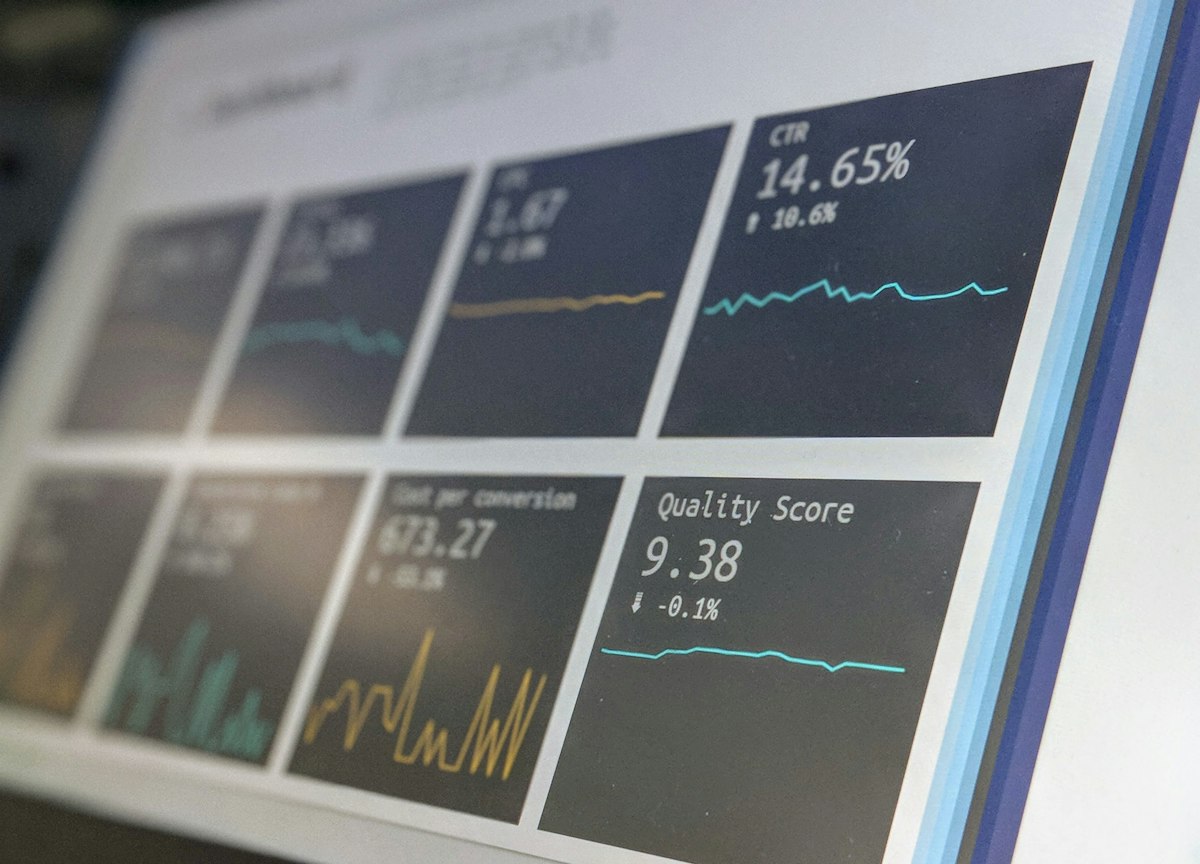
Track the following metrics monthly to understand whether your G2 program is contributing to revenue, not just vanity numbers:
- Review velocity: New reviews per month. You need a minimum of 2–3 new reviews per month to maintain score recency weighting in your category.
- Category grid position: Monitor your quadrant placement quarterly. Movement from Niche to Contender or Contender to Leader directly correlates with deal flow from G2.
- G2-attributed pipeline: Use UTM parameters on your G2 profile CTA links to track leads that originate from G2 product pages. Most CRMs can be configured to capture G2 as a first-touch or last-touch source.
- Review sentiment quality: Keyword frequency in your reviews matters for G2's internal search algorithm. Reviews that mention your core use case, integration partners, or key differentiators improve your discoverability within G2's search results.
- Competitor review gap: Track how your review count and average rating compare to the top 3 competitors in your category. Close the gap and you close the grid position gap.
Conclusion
Building a strong G2 profile in 2025 is a systematic operational effort, not a one-time campaign. The companies winning on G2 are those running continuous review programs tied to real customer value moments, using G2's own native tools, and leveraging professional management to maintain execution consistency. The shortcut of fake reviews doesn't just violate G2's terms — it actively undermines the authentic social proof that converts informed B2B buyers. Invest in the right foundation now and your G2 profile becomes a compounding asset that generates pipeline for years.
For related reading, see The Complete Guide to G2 Review Management for SaaS Companies and G2 Review Generation: Legal and Effective Methods in 2025.